
Recipe Nutrition Calculator: Estimate Calories and Macros Per Serving
How recipe nutrition calculators estimate calories, protein, carbs, fat and fiber per serving, how accurate they are, and how to get better numbers.
By Ayoub Farid · · 2 min read
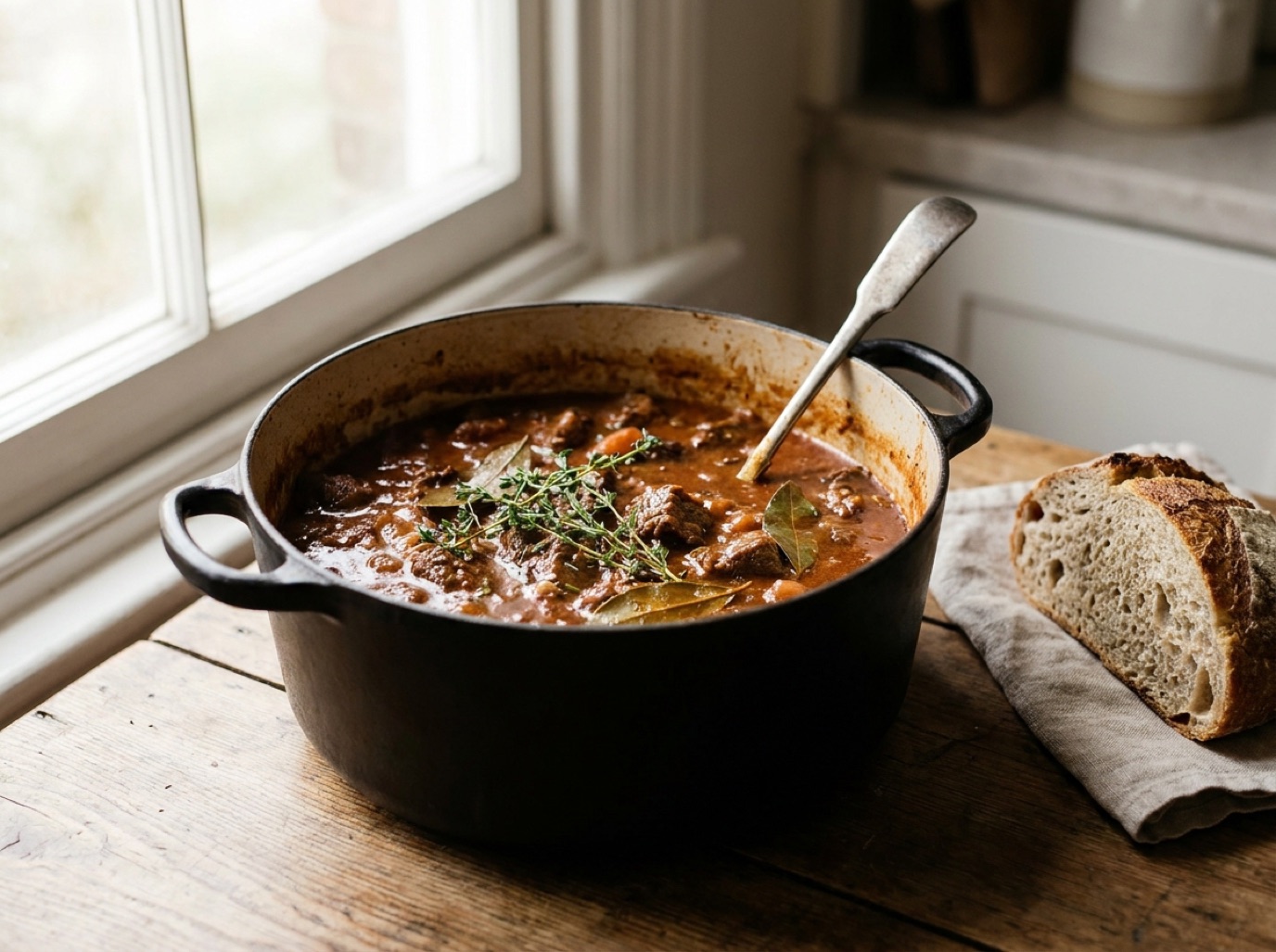
A recipe nutrition calculator adds up the nutrition of every ingredient and divides by the number of servings. It's how food blogs and apps show "540 kcal per serving". Useful, but only as accurate as the inputs.
How the calculation works
- Each ingredient is matched to a food in a nutrition database ("1 cup cooked rice", "2 tbsp olive oil").
- Quantities are converted to grams.
- Calories, protein, carbohydrates, fat and fiber are summed.
- The total is divided by servings.
In SmartChef AI, every saved or scanned recipe shows estimated calories, protein, carbs, fat and fiber per serving, calculated from its ingredient list.
Why numbers vary between apps
- Raw vs cooked weights. 100 g of raw rice and 100 g of cooked rice are very different.
- Vague ingredients. "1 chicken breast" can be 150 g or 300 g.
- Oil. Recipes often say "a drizzle". Oil is calorie-dense, so it moves totals a lot.
- Brands. Yogurt, bread and sauces vary widely.
- Servings. "Serves 4–6" changes everything.
Get more accurate numbers
- Use weights where possible (see cups to grams).
- Specify raw weights for meat, grains and pasta.
- Measure oil instead of pouring.
- Edit the recipe's servings to match how you actually portion it.
- For packaged foods, check the label.
For a manual method, see how to calculate calories in a recipe.
What the numbers are good for
- Comparing two recipes ("which of these is lighter?").
- Spotting easy wins, like swapping cream for Greek yogurt. See healthy recipe swaps.
- Hitting rough protein goals; see high-protein meals.
They are estimates, not lab results, and not medical advice.
Example: why oil matters
A simple tomato pasta for 4 might use 400 g pasta, a can of tomatoes, an onion, garlic and olive oil. With 1 tbsp of oil (about 120 kcal) the total is roughly 1,700 kcal, or about 425 kcal per serving. With 4 tbsp of oil (about 480 kcal), the per-serving number rises by about 90 kcal. Same recipe, different "glug". That's why measuring oil is the single best way to make estimates useful.
Calories vs the full picture
Calories are only one number. Protein keeps you full, fiber supports digestion, and fat matters for flavor and absorbing some vitamins. A recipe app that shows protein, carbs, fat and fiber alongside calories gives a more useful snapshot. If you're increasing fiber, see high-fiber recipes.
When to use a different tool
If you follow a medical diet (for example for diabetes or kidney disease), use the tools and portions your healthcare team recommends. App estimates are for everyday awareness.
Frequently asked questions
How accurate are recipe calorie calculators?
Often within a reasonable margin when ingredients are specific and weighed, but vague amounts and oils can shift totals significantly.
Does cooking change calories?
Cooking changes weight (water loss or absorption) more than calories. That's why raw weights give more consistent results.
Can I see nutrition for imported TikTok recipes?
In SmartChef AI, imported and scanned recipes get the same per-serving nutrition estimate as any other recipe.
Save it in one tap
Every recipe you love, in one smart kitchen
SmartChef AI saves recipes from TikTok, Instagram and any website, scans cookbooks and handwritten cards, and answers your cooking questions with an AI chef. Free to download on iPhone and iPad.
Download on theApp Store